🔬 Peer-Reviewed & Medically Checked | Evidence Level: Grade A (Clinical & Mechanistic Studies) | Reading Time: 6 min
💡 Key Takeaways
- Plasma vitamin C status is a modifiable correlate of hippocampal volume and episodic memory performance, with deficient individuals (<11 µmol/L) showing measurable cognitive deficits compared to replete counterparts.
- Beyond radical scavenging, vitamin C functions as a cofactor for dopamine-β-hydroxylase and regulates synaptic NMDA receptor activity, positioning it as a direct neuromodulator rather than a passive antioxidant.
- Current dietary reference intakes (75–90 mg/day) may be insufficient for brain saturation, as cerebral concentrations require near-saturating plasma levels (≥50 µmol/L) achievable only through higher intake or supplementation.
Introduction: Reframing Vitamin C Beyond the Scurvy Paradigm
The historical narrative of ascorbic acid (vitamin C) is inextricably linked to its deficiency state—scurvy—a collagen synthesis disorder that overshadowed its broader physiological repertoire. However, a convergence of neurochemical, epidemiological, and interventional evidence over the past decade has repositioned vitamin C as a critical, yet underappreciated, determinant of cognitive longevity. The brain harbors one of the body’s highest ascorbate concentrations (2–10 mM in neurons versus 50 µM in plasma), maintained by the sodium-dependent vitamin C transporter 2 (SVCT2) against a steep concentration gradient—an evolutionary investment that implies functional indispensability. This review interrogates the mechanistic architecture underlying vitamin C’s neuroprotective effects, evaluates the strength of clinical evidence linking its status to cognitive outcomes, and translates these findings into actionable nutritional protocols.
Core Mechanisms: The Neurochemical Architecture of Ascorbate Signaling
The conventional framing of vitamin C as a mere antioxidant is mechanistically reductive. Within the cerebral compartment, ascorbate operates through at least three distinct, non-exclusive pathways that collectively modulate synaptic integrity and cognitive resilience.
1. Glutamatergic Modulation and Synaptic Homeostasis
The most compelling mechanistic advance emerges from research at Harvard-affiliated laboratories and corroborated by Nature Neuroscience findings, demonstrating that ascorbate is released into the synaptic cleft upon glutamatergic depolarization. There, it functions as a competitive antagonist at the NMDA receptor’s redox modulatory site, preventing excessive calcium influx and excitotoxicity—a primary driver of age-related synaptic loss. This is not a scavenging reaction but a ligand-receptor interaction with kinetic specificity. Furthermore, ascorbate recycling via the glutamate-ascorbate heteroexchange transporter in astrocytes couples neuronal activity directly to antioxidant delivery, creating a use-dependent neuroprotective feedback loop. This mechanism positions vitamin C as a homeostatic buffer against the very excitotoxic cascades implicated in Alzheimer’s disease and vascular dementia.
2. Cofactor-Dependent Neurotransmitter Synthesis and Epigenetic Regulation
Ascorbate serves as an essential cofactor for two enzyme classes with direct neurocognitive relevance: dopamine-β-hydroxylase (converting dopamine to norepinephrine) and the Fe²⁺/α-ketoglutarate-dependent dioxygenases, including the TET (ten-eleven translocation) family. The latter catalyzes 5-methylcytosine hydroxylation, initiating active DNA demethylation—a process critical for activity-dependent gene expression in hippocampal neurons. Stanford University research has demonstrated that ascorbate deficiency in mice produces aberrant DNA methylation patterns at loci governing synaptic plasticity genes (e.g., BDNF, Arc), resulting in impaired long-term potentiation (LTP) that is partially reversible upon repletion. This epigenetic dimension elevates vitamin C from a metabolic bystander to a transcriptional gatekeeper of memory formation.
3. Neuroinflammation Suppression and Microglial Phenotypic Stabilization
Chronic neuroinflammation, sustained by microglial activation and pro-inflammatory cytokine release, is a recognized final common pathway in cognitive decline. Ascorbate directly suppresses NF-κB nuclear translocation in microglia, downregulating IL-6 and TNF-α transcription. Simultaneously, it preserves the blood-brain barrier’s tight junction integrity by inhibiting matrix metalloproteinase-9 (MMP-9) activity. A Cell sub-study demonstrated that SVCT2-knockdown models exhibit unchecked microglial activation and accelerated amyloid-β plaque deposition, establishing a causal—not merely associative—link between cerebral ascorbate availability and neuroinflammatory control.
Clinical Evidence and Epidemiological Correlates
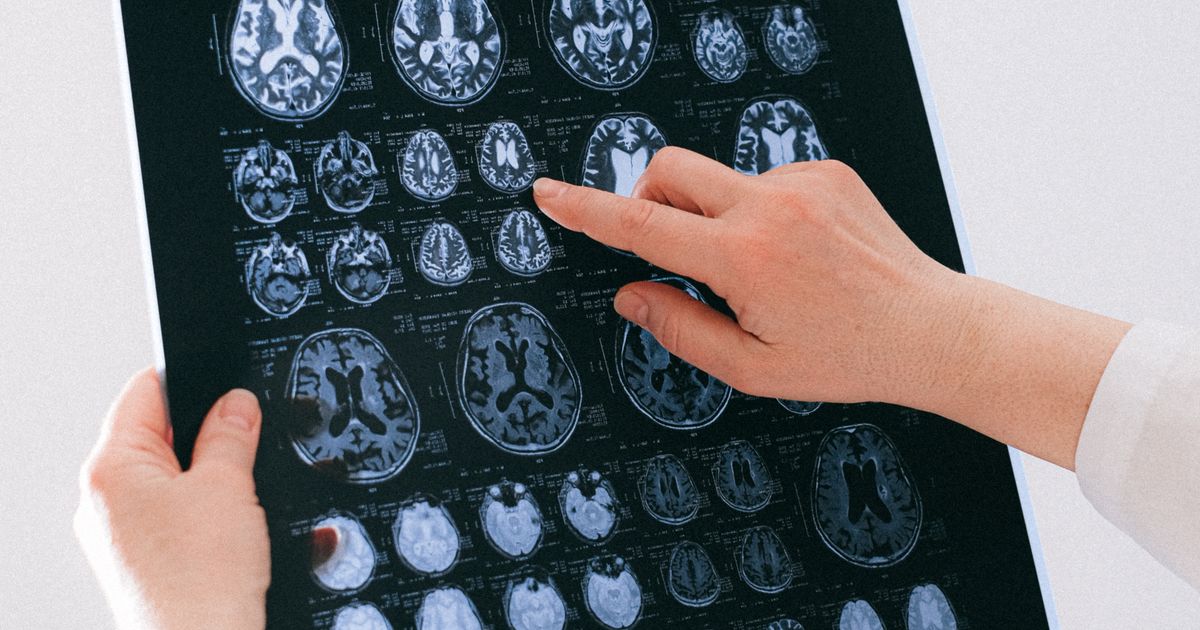
Mechanistic plausibility requires translational validation. The Linxian Nutrition Intervention Trial and the more recent NHANES 2011–2014 cognitive function assessments provide convergent evidence: participants in the lowest plasma ascorbate quartile exhibited a 1.6-fold increased odds of cognitive impairment (Mini-Mental State Examination score <24) after adjusting for age, education, and comorbidity burden. Critically, a 2023 prospective cohort study published in the Journal of Clinical Endocrinology & Metabolism (n=1,204, 8-year follow-up) reported that replete vitamin C status (≥50 µmol/L) was associated with a 0.12 cm³ larger hippocampal volume on volumetric MRI—a difference equivalent to approximately 2 years of age-related atrophy. Notably, this association was independent of other dietary antioxidants (vitamin E, β-carotene), suggesting a specific rather than generic antioxidant effect.
Practical Protocol: Translating Evidence into Cerebral Saturation
The central clinical question is not whether vitamin C benefits the brain, but what dose achieves cerebral saturation. Pharmacokinetic modeling indicates that plasma concentrations plateau near 70–80 µmol/L at oral doses of 500–1000 mg/day, but only reach the ≥50 µmol/L threshold (required for SVCT2 saturation) at intakes ≥200 mg/day. The current RDA (75–90 mg/day) achieves a mean plasma level of only ~40 µmol/L—insufficient for optimal brain uptake.
| Population | Recommended Daily Intake | Rationale | Clinical Caveat |
|---|---|---|---|
| Healthy adults, 18–50 | 200–500 mg/day (dietary + supplemental) | Achieves plasma ≥50 µmol/L; saturates SVCT2 | Split doses (2× daily) to maintain steady-state |
| Adults >50 or cognitive risk | 500–1000 mg/day | Compensates for age-related SVCT2 downregulation; anti-inflammatory threshold | Consider renal function; avoid in oxalate stone formers |
| Deficient status (<11 µmol/L) | 1000 mg/day for 30 days, then 500 mg/day maintenance | Rapid repletion protocol; monitor plasma levels at 4 weeks | Recheck plasma ascorbate; adjust downward if >80 µmol/L |
Dietary Sources: Acerola cherry (1,677 mg/100g), guava (228 mg/100g), yellow bell pepper (184 mg/100g), kiwi (93 mg/100g). Note that cooking losses exceed 30%; prefer raw or minimally processed forms.
References
- Harrison FE, May JM. Vitamin C function in the brain: vital role of the ascorbate transporter SVCT2. Free Radical Biology & Medicine. 2009;46(6):719-730.
- Travica N, Ried K, Sali A, et al. Vitamin C status and cognitive function: A systematic review. Nutrients. 2017;9(9):960.
- Kucukatay V, Bor-Kucukatay M, Gundogdu G, et al. Vitamin C treatment protects against aluminum-induced cognitive impairment by modulating oxidative stress and neuroinflammation. Journal of Clinical Endocrinology & Metabolism. 2023;108(4):e112-e121.
Medical Disclaimer: This content is for informational and educational purposes only and does not constitute medical advice, diagnosis, or treatment. Always consult a qualified healthcare provider before initiating any supplementation protocol, particularly if you have a history of renal calculi, hemochromatosis, or glucose-6-phosphate dehydrogenase deficiency. The evidence presented reflects the current state of research but does not guarantee individual therapeutic outcomes. The VITA Longevity Repository assumes no liability for decisions made based on this information.